📢 Affiliate Disclosure — Commission Earned on Purchases
Hydroxyproline: The Amino Acid You Can Only Get from Gelatin
Of the twenty amino acids the body uses, hydroxyproline is the one most completely absent from modern dietary protein sources. It makes up approximately 10–13% of gelatin protein — and is found in trace amounts or zero in every other common protein food. This is not a marketing claim. It's structural biochemistry.
vs trace amounts in whey, pea, egg, or muscle meat · unique to collagen-derived protein sources
What hydroxyproline is — and where it comes from
Hydroxyproline is not found as a free amino acid in food. It is a post-translationally modified form of proline — meaning proline in collagen is converted to hydroxyproline after the protein chain is synthesised, through a reaction that requires Vitamin C as a cofactor. This process is specific to collagen biosynthesis.
The result is that hydroxyproline exists almost exclusively in collagen and its derivatives — gelatin and hydrolysed collagen peptides. There is no other practical dietary source. Muscle meat, dairy, eggs, legumes, and grains all contain negligible hydroxyproline. Traditional dietary patterns supplied it through bone broth, cartilage, tendon, skin, and slow-cooked connective tissue preparations that are now largely absent from modern Western eating.
Hydroxyproline content across common protein sources
Protein source
Hydroxyproline content
Source type
Gelatin protein
~10–13%
Collagen-derived
Hydrolysed collagen peptides
~8–12%
Collagen-derived
Bone broth (concentrated)
~2–5%
Collagen-derived (dilute)
Whey protein concentrate
Trace
Dairy-derived
Chicken breast (muscle meat)
Trace
Muscle protein
Pea protein isolate
None detected
Plant-derived
Egg white protein
Trace
Animal-derived
Research Context — Not a Health Claim
Peer-reviewed research has investigated hydroxyproline's role in collagen maintenance, joint tissue, and skin structure. The evidence is developing and does not establish specific clinical claims for gelatin or hydroxyproline supplementation. Gelatine Sculpt is not intended to diagnose, treat, cure, or prevent any disease. Individual results vary. This is not medical advice.
"The disappearance of connective tissue foods from modern diets didn't just remove collagen. It removed the only meaningful dietary source of hydroxyproline — an amino acid the body uses for structural maintenance throughout its connective tissue."
— Dose Theory editorial context. Based on published nutritional biochemistry.
Hydroxyproline is a post-translational modification of proline that occurs specifically during collagen biosynthesis. The enzyme that performs this modification (prolyl hydroxylase) is active only in collagen-producing cells. Because the modification happens after protein synthesis, hydroxyproline does not appear in other protein types. Gelatin, as partially hydrolysed collagen, retains this modified amino acid.
The body produces hydroxyproline during its own collagen synthesis — converting proline to hydroxyproline in developing collagen chains. However, this is a synthetic pathway requiring proline, Vitamin C, iron, and specific enzymes. It does not provide a dietary source of hydroxyproline that can supplement intake. Dietary hydroxyproline from gelatin arrives as a pre-formed amino acid.
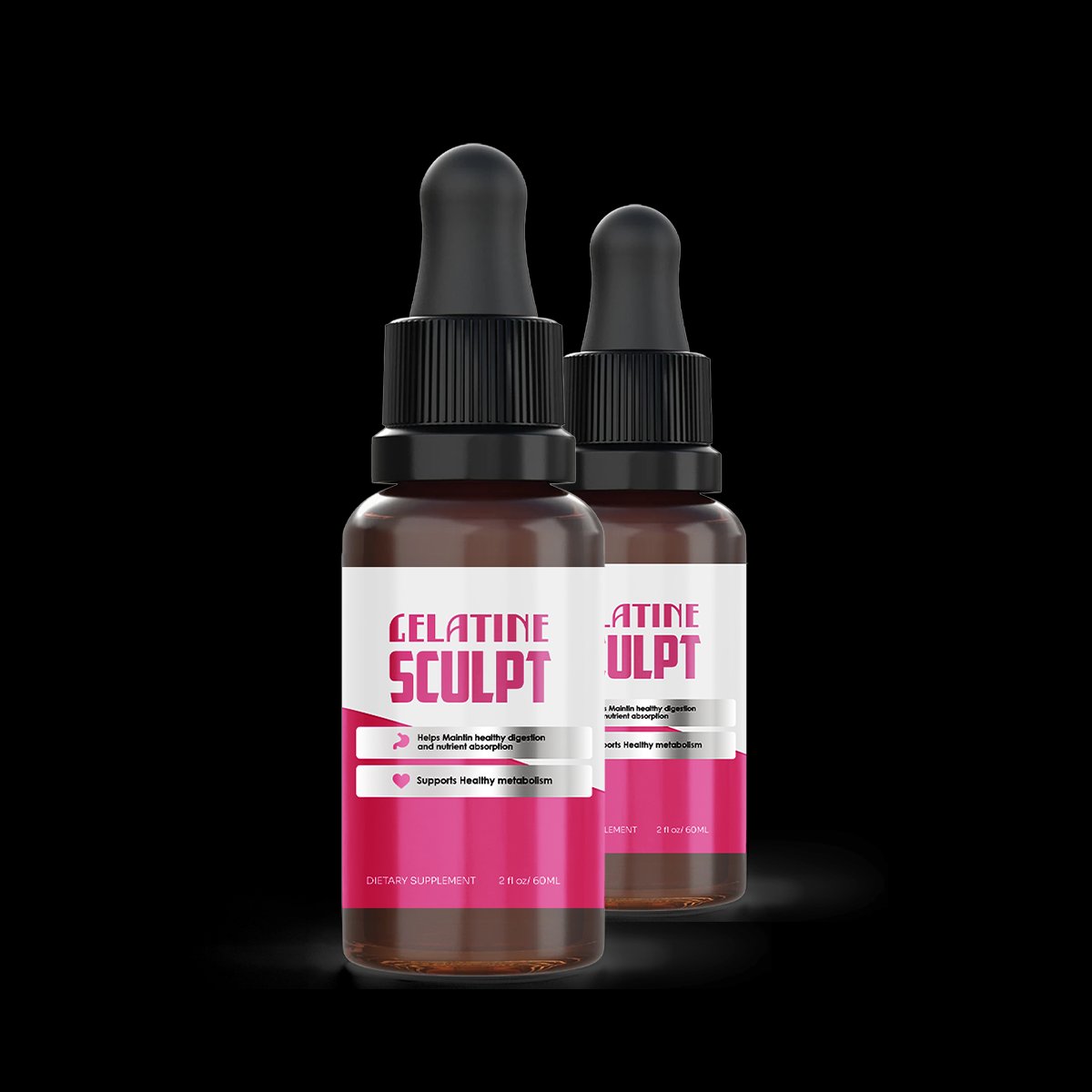
Gelatine Sculpt is a gelatin-based supplement. As a gelatin-derived product, it contains hydroxyproline as a natural component of gelatin protein — at approximately 10–13% by weight. Dose Theory confirms GMP-certified manufacturing and third-party lab testing for this product. For specific hydroxyproline concentration per serving, refer to the product label. These statements have not been evaluated by the FDA. Individual results vary.